Algeria Boosts Food Security for Eid al-Adha with Sheep Imports and Trade Regulation
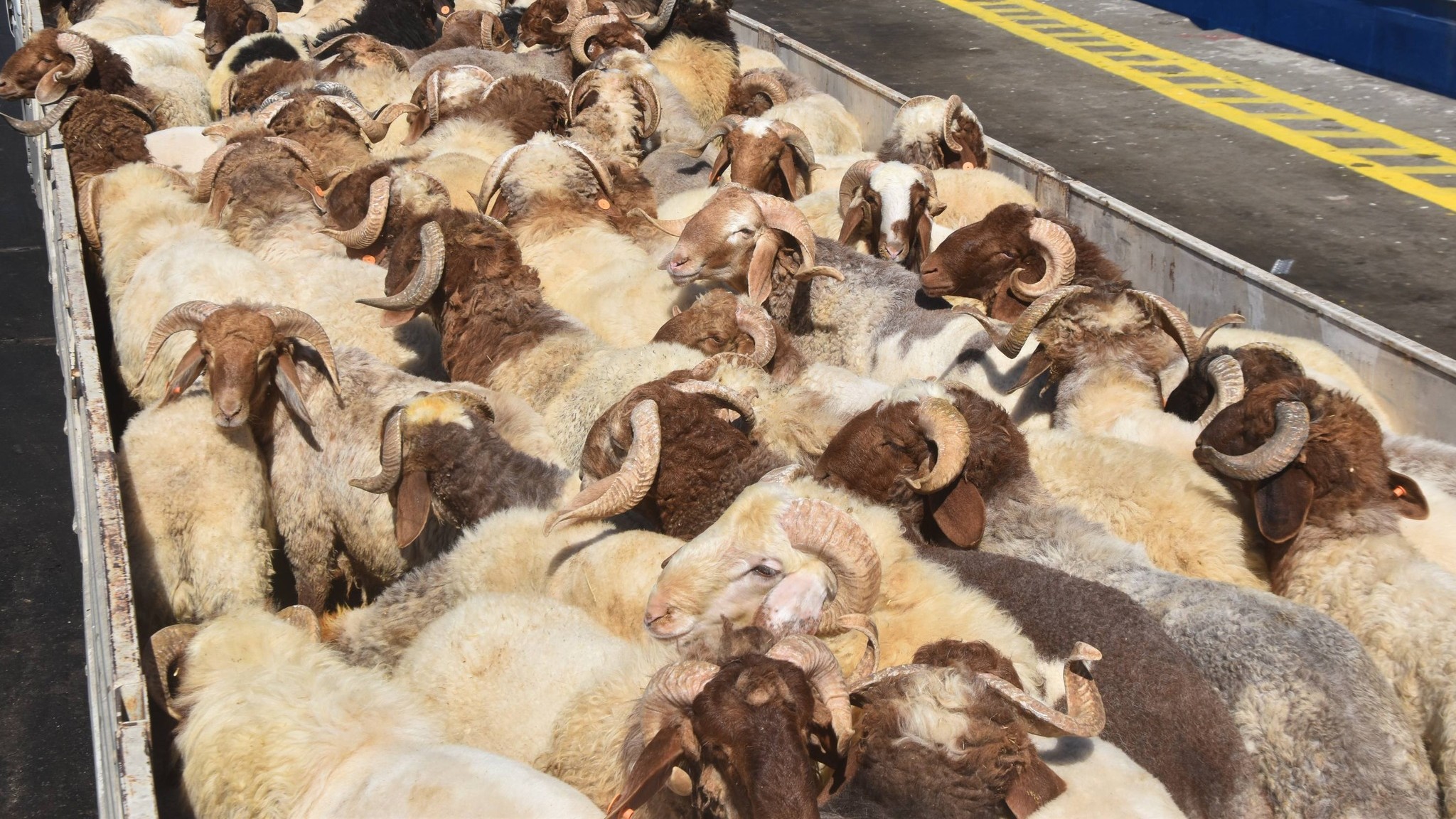
Image: Echorouk
Takeaway
The Algerian government's proactive measures to ensure food security during Eid al-Adha present opportunities for international livestock exporters and shipping companies. Investors should monitor the impact of these imports on local Algerian sheep breeders and the potential for long-term contracts with the Algerian government to supply livestock during peak demand periods. Additionally, companies involved in cold chain logistics and storage solutions could benefit from the increased focus on food security and the need for efficient distribution networks.
Algeria is taking significant steps to ensure food security and stable prices during the upcoming Eid al-Adha in June 2026, a period of high demand for livestock. The port of Annaba received a new shipment of sheep from Syria as part of President Abdelmadjid Tebboune's program to import one million heads of sheep to supply the national market and provide sacrifices for the holiday. Additionally, the giant vessel “MAWASHI EXPRESS” is scheduled to dock at the port of Djendjen in Jijel, carrying an unprecedented 82,500 heads of sheep, the largest such shipment to enter the country, to supply the national market and regulate prices through the official digital platform “Adahi”.
To further ensure the availability of essential goods and services, the Ministry of Internal Trade and Market Regulation has mobilized over 53,000 traders across the country. This mobilization is part of a special duty program designed to maintain the supply of basic materials and widely consumed services during the Eid al-Adha holiday. The Algerian government has historically played a dominant role in the economy, and in 2025, it facilitated the sale of 100,000 sheep in state-run stores, sourcing them from Argentina, Australia, Brazil, and Spain.
These measures are particularly important in light of the challenges faced by North Africa's agricultural sector. The region has been enduring its seventh consecutive year of extreme heat and below-average rainfall, which has shrunk harvests and driven up the price of animal feed. Overgrazing has also strained parts of North Africa, where the population is growing and job opportunities beyond herding and farming are scarce. The government publishes technical regulations in the Official Gazette of the People's Democratic Republic of Algeria.
The import strategy aims to prevent price spikes and shortages that could put the ritual sacrifice out of reach for many Algerian families. In 2025, sheep prices skyrocketed to DZD 200,000 (~$1,481) in some markets during Eid al-Adha, which is ten times the country's minimum wage. The Ministries of Agriculture and Trade are actively seeking international sources to meet Tebboune's target, hoping to counteract the soaring inflation that has pushed basic goods and services, including meat, beyond the reach of many.
Looking ahead, the Algerian government will likely continue to implement policies aimed at bolstering food security and stabilizing prices, especially during periods of peak demand. However, the effectiveness of these measures will depend on factors such as weather conditions, global market prices, and the efficiency of the distribution networks. The government's focus on strengthening strategic sectors, particularly grain farming, through incentive measures and increasing storage capacity, with the construction of 30 storage silos each with a capacity of 100,000 tons, will also play a crucial role in ensuring long-term food security.