Algeria Boosts Date, Olive Oil Sectors; Eyes Export Growth
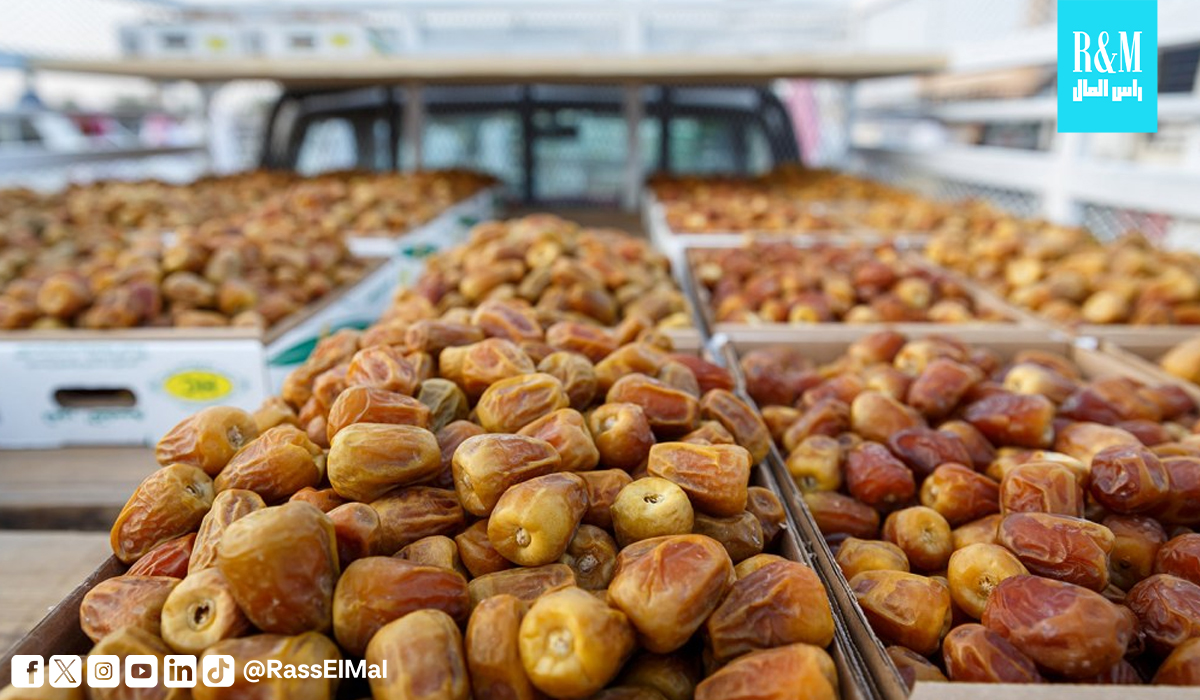
Image: Rass El Mal
Takeaway
The Algerian government's renewed focus on agricultural exports, particularly dates, presents opportunities for international food distributors and retailers. Companies should assess the potential for sourcing high-quality Algerian dates and olive oil, while also monitoring the impact of the seven-point plan on export procedures. Investors should consider opportunities in agricultural technology and logistics to support Algeria's efforts to modernize its agricultural sector.
On April 6, 2026, Minister of Agriculture and Rural Development Yacine Oualid chaired a national meeting in Algiers focused on bolstering the date sector. The meeting, held at the headquarters of the National Chamber of Agriculture, included representatives from agricultural chambers of producing wilayas, professional organizations, and farmers. The aim is to enhance the date industry's economic potential, particularly in exports, as Algeria is already a major producer. Algeria produced 1.3 million tonnes of dates in 2025, placing it among the world's top three producers.
Algeria's focus on agricultural development aligns with its broader economic diversification strategy, aiming to reduce reliance on hydrocarbons. Despite being a leading date producer, Algeria's export figures remain low. The government is now implementing a seven-point plan to revitalize date exports. This initiative follows complaints from producers in 2025 regarding export obstacles. Simultaneously, Tizi-Ouzou saw a significant increase in olive oil production, reaching over 12.6 million liters during the 2025/2026 campaign, more than double the previous year's output.
The date sector is considered a strategic pillar of Algeria's national agricultural production. The seven-point plan aims to address bottlenecks in the export process and improve the quality and marketing of Algerian dates. Meanwhile, Algeria is also investing in agricultural mechanization, with a focus on modernizing harvesting techniques. An agreement was formalized on April 4 in Sidi Bel Abbès between the company PMAT and other stakeholders to introduce climate-controlled harvesters.
These developments are expected to benefit Algerian farmers and exporters by increasing their competitiveness in international markets. Increased date and olive oil exports could generate significant foreign revenue, supporting the country's balance of payments. The focus on mechanization should improve efficiency and reduce post-harvest losses. However, the success of these initiatives depends on addressing logistical challenges and ensuring consistent quality control.
Looking ahead, the implementation of the seven-point plan for date exports will be closely monitored. Key indicators include the volume of date exports in the coming seasons and the effectiveness of the new measures in overcoming existing obstacles. Continued investment in agricultural technology and infrastructure will be crucial for sustaining growth in the sector. Any delays in addressing logistical bottlenecks or quality control issues could hinder progress and limit the potential benefits for Algerian producers.