Algeria and Niger Deepen Energy Cooperation with New Power Plant and Pipeline Projects
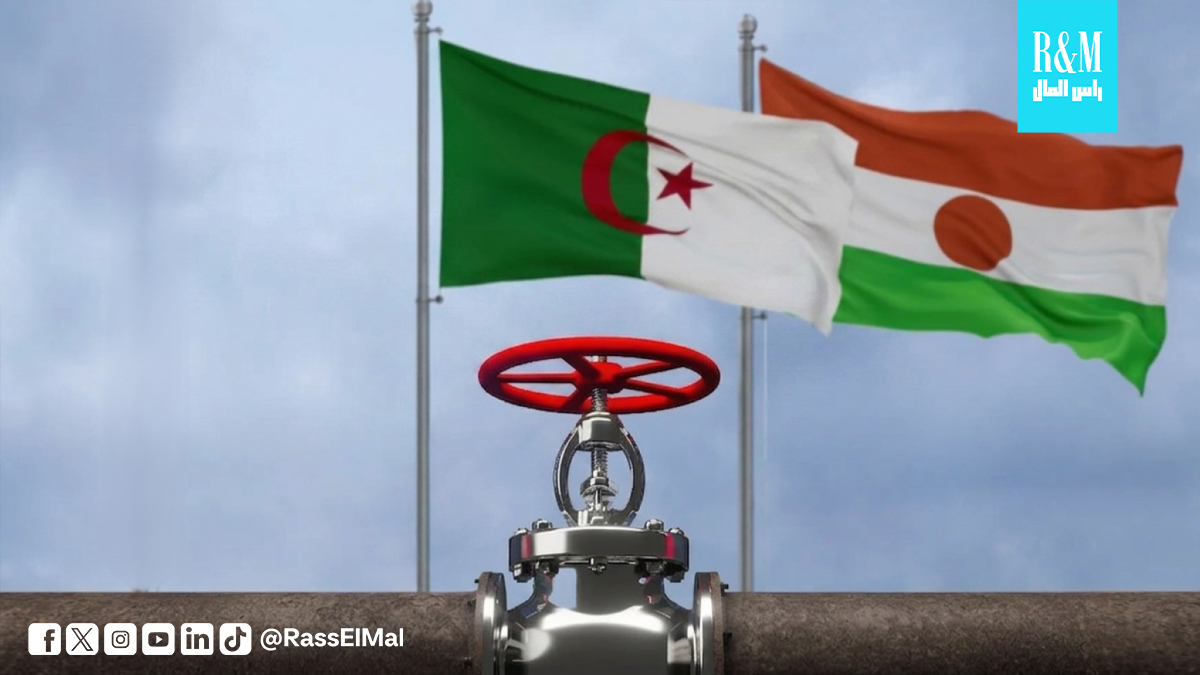
Image: Rass El Mal
Takeaway
The deepening energy cooperation between Algeria and Niger presents opportunities for companies involved in power generation, pipeline construction, and renewable energy development. Investors should monitor Sonatrach's activities in the Kafra oil field and the progress of the TSGP, as these projects could significantly impact regional energy dynamics and create new avenues for investment in North and West Africa.
Algeria and Niger are strengthening their energy partnership through multiple projects, including a new power plant in Niamey and advancements in the Trans-Saharan Gas Pipeline (TSGP). President Abdelmadjid Tebboune instructed the completion of a 40-megawatt gas turbine power plant in Niamey within three months, a project described as a key element of bilateral cooperation. Sonelgaz, Algeria's state energy company, is constructing the plant on a grant basis to bolster Niger's electricity grid. The TSGP, a 4,128-km pipeline designed to transport up to 30 billion cubic meters of natural gas annually from Nigeria through Niger to Algeria, is also a central focus of this strengthened cooperation.
Algeria's commitment to Niger's energy sector extends back to February 2025, when Sonelgaz first announced the power plant construction as a means of strengthening bilateral ties. In January 2025, Sonatrach unveiled plans to construct a refinery and petrochemical complex in Dosso, Niger, starting with a production capacity of 30,000 barrels per day and expanding to 100,000 barrels per day. This project aims to address local energy demands, generate jobs, and attract foreign investment. Sonatrach has also intensified operations in the Kafra oil field, a 23,737 km² block in Niger, where two drilled wells are expected to boost the country's oil production to 90,000 barrels per day.
Sonelgaz has initiated the relaunch of cooperation with Nigelec, the Nigerien electricity company, focusing on supporting the electricity grid and transferring Algerian expertise through training programs. This includes training staff on grid management, building advanced photovoltaic or thermal plants, and digitizing distribution operations. Sonelgaz has also begun establishing a central warehouse for electrical equipment in Niamey to support electricity projects and provide necessary spare parts. The Ministry of Energy has launched an ambitious program to produce 15,000 MW of renewable energies by 2035, with nine plants scheduled to enter service in 2026, including the Laghrouss plant in Biskra and Tandala in El M'Ghair (200 MW each), and El Foulia in El Oued (300 MW).
The completion of the 40 MW power plant will stabilize Niger's national electricity grid, improve service quality, and meet the growing demand for energy. The TSGP is seen as a cornerstone for regional energy security and a boost to West and North Africa's gas exports. The Kafra oil block, operated by Sonatrach, has estimated reserves of over 260 million barrels of oil. The project is positioned as a strategic diversification effort, enhancing Niger's status as an emerging energy producer and consolidating Algeria's role as a stabilizing energy power bridging North Africa and the Sahel.
Looking ahead, the operational relaunch of the TSGP is expected immediately after Ramadan, pending the collection of technical data, analysis of legal and regulatory aspects, and evaluation of necessary authorizations. A technical team from Sonatrach is engaged in collecting data on the pipeline route, analyzing legal and regulatory aspects, and assessing necessary permits, including environmental impact studies and risk assessments, in coordination with local authorities and the Nigerien company Sonidep. The project directly competes with an alternative initiative promoted by Morocco, which envisions an offshore pipeline along the West African coast to the Kingdom, connecting to Europe.