Algeria and Niger Deepen Cooperation with High-Level Talks in Niamey
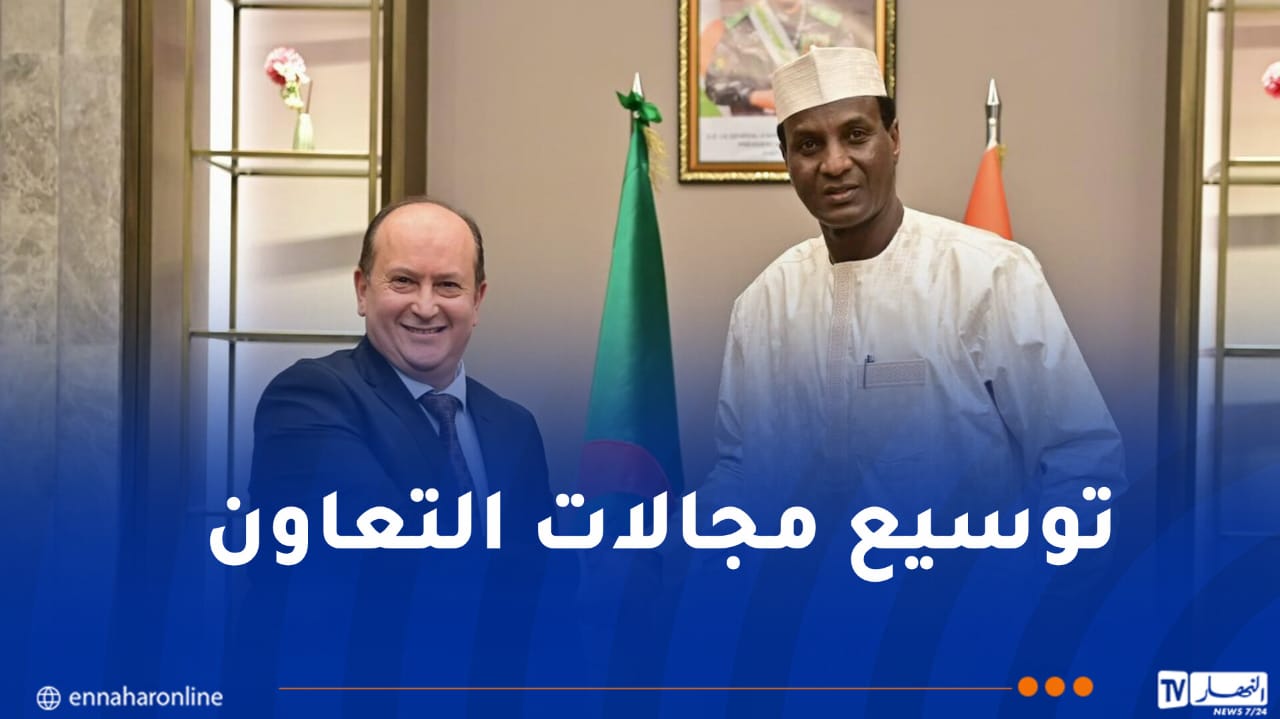
Image: Ennahar
Takeaway
The renewed focus on the Trans-Saharan gas pipeline and the Kafra oil block presents opportunities for international energy companies to invest in exploration, infrastructure development, and energy trading. Investors should monitor Sonatrach's activities and project timelines, as well as political and security developments in the region, to assess potential risks and returns. The potential capacity of the gas pipeline is 30 billion cubic meters annually.
Algeria's Prime Minister, Sifi Garrib, visited Niamey, Niger, on Monday, March 23, 2026, leading a high-level delegation for the second session of the Algerian-Nigerien Joint Grand Commission for Cooperation. The visit, undertaken on behalf of President Abdelmadjid Tebboune, aimed to strengthen strategic partnerships and solidify Algeria's role in supporting African integration. Ali Mahaman Lamine Zeine, the Prime Minister of Niger, received Garrib at Niamey International Airport.
The meeting follows a period of strained relations that began in April 2025, when Niger, along with Burkina Faso and Mali, recalled its ambassador from Algeria after an incident involving a drone. However, relations have improved, marked by the return of ambassadors and high-level visits. On February 17, 2026, President Tebboune announced the launch of the long-awaited Trans-Saharan gas pipeline through Niger, signaling a diplomatic and economic reset. The two countries share approximately 950 kilometers (590 miles) of border.
The renewed cooperation focuses on energy development, border security, and regional trade. A key project is the relaunch of joint hydrocarbon projects, particularly the Kafra oil block in northern Niger, which is estimated to hold reserves exceeding 260 million barrels of oil. Sonatrach, Algeria's state energy company, will lead the pipeline project. The Trans-Saharan Highway (Lagos-Algiers) and the "North-South" railway project connecting Algiers to Tamanrasset are also vital for facilitating the movement of goods and people.
This partnership benefits both countries by enhancing Niger's status as an emerging energy producer and consolidating Algeria's role as a stabilizing energy power in the Sahel. The collaboration also addresses common challenges related to cross-border security, trafficking, and regional instability. Sectors such as tourism, culinary arts, and catering will see increased cooperation through training programs offered by Algeria to Niger.
Looking ahead, the Algeria-Niger Joint High Committee is scheduled to convene in Niamey before the end of the first half of 2026 to further solidify cooperation frameworks. The completion of the Trans-Saharan Highway and the North-South railway are key infrastructure projects to watch. Risks include potential delays in project implementation due to technical, financial, or security-related constraints.