Algeria Aims for 10.5 Million Tonnes of Annual Phosphate Production via Integrated Project
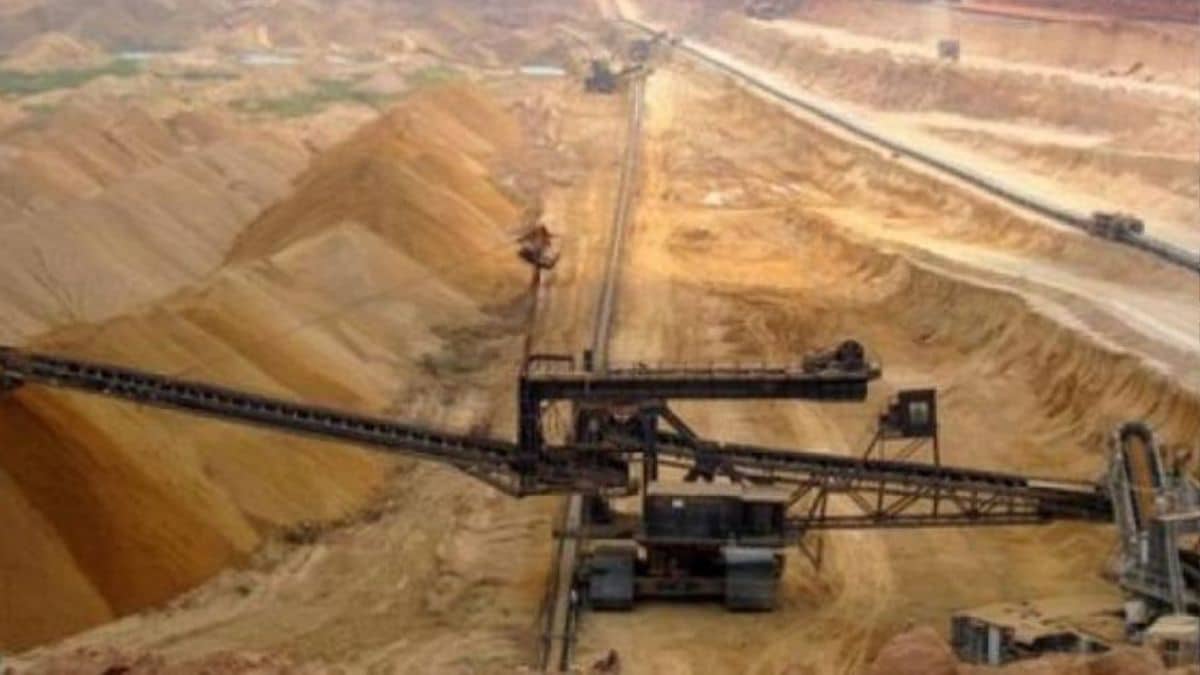
Image: TSA
Takeaway
Investors should monitor the progress of the Bled el Hadba project and its impact on Algeria's phosphate production and export capacity. Companies in the fertilizer and agricultural sectors should assess the potential opportunities and risks associated with the increased availability of Algerian phosphate.
Algeria is set to produce 10.5 million tonnes of phosphate annually following the commencement of operations at the integrated Bled el Hadba project in the Tébessa province. This target was announced on Monday by Prime Minister Sifi Ghrieb during an interministerial council meeting dedicated to reviewing the progress of the integrated phosphate project. The project is structured across three wilayas: Tébessa, Souk Ahras, and Annaba.
This phosphate project aligns with Algeria's broader economic strategy to diversify its exports beyond hydrocarbons, as highlighted by President Abdelmadjid Tebboune during a recent address. The development of the Béchar-Tindouf-Gara Djebilet railway line, inaugurated on February 1st, also supports this diversification effort by facilitating the transport of minerals. These initiatives reflect Algeria's commitment to developing its mining sector and reducing its reliance on oil and gas revenues.
The integrated phosphate project involves the extraction, processing, and transportation of phosphate ore to produce fertilizers and other phosphate-based products. Comparable international projects demonstrate the potential for significant economic returns, with some countries generating billions of dollars annually from phosphate exports. The specific technical details of the Bled el Hadba project, including the extraction methods and processing technologies, will be crucial in determining its overall efficiency and environmental impact.
The successful implementation of this project will benefit Algeria by increasing its export revenues and creating jobs in the mining and related industries. Companies involved in fertilizer production and agricultural inputs stand to gain from the increased availability of phosphate. However, the project's environmental impact, including water usage and waste disposal, needs careful management to mitigate potential negative consequences. International investors and fertilizer companies will be closely monitoring the project's progress and its impact on global phosphate supply chains.
Looking ahead, the key milestones to watch include the completion of the Bled el Hadba project's construction and the commencement of production. The government's ability to attract foreign investment and secure financing for the project will also be critical. Potential risks include delays in construction, fluctuations in global phosphate prices, and environmental concerns that could hinder the project's progress.