Air Algérie Suspends Flights to Amman, Dubai, and Doha Amid Middle East Tensions
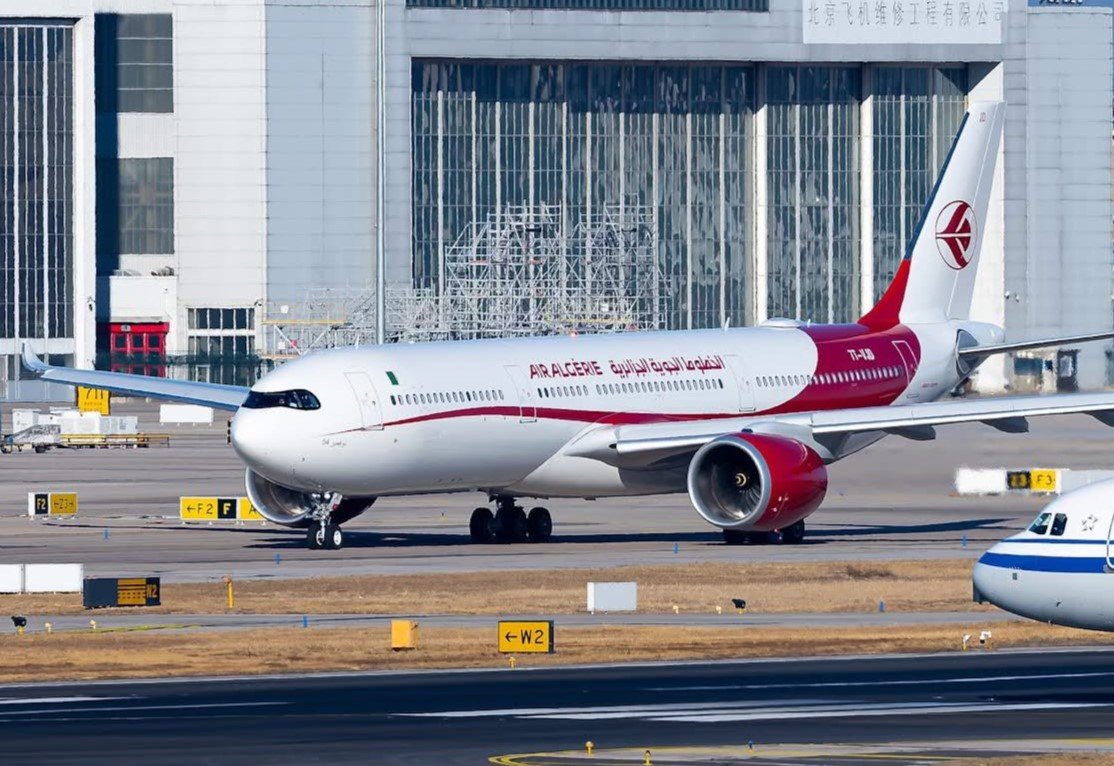
Image: Algerie Eco
Takeaway
The Air Algérie flight suspensions highlight the increasing geopolitical risks facing airlines and travelers in the Middle East. Investors should monitor airlines' risk management strategies and their ability to adapt to rapidly changing security environments. Companies with significant business travel to the region should consider diversifying travel routes and exploring alternative communication methods to mitigate potential disruptions.
Air Algérie announced the cancellation of flights scheduled to and from Amman, Dubai, and Doha on Saturday, February 28, 2026, due to the escalating security situation in the Middle East. The decision, communicated in an official statement, prioritizes the safety and security of passengers and crew. Passengers affected by the cancellations are advised to contact Air Algérie's commercial agencies or call the customer service center at 3302 for further information.
The flight disruptions stem from heightened regional tensions, including reported strikes by the United States and Israel in Iran, leading to airspace closures across the Middle East. Several countries, including Iran, Iraq, Israel, Syria, Kuwait, and the United Arab Emirates, announced partial or complete airspace shutdowns. These closures have triggered widespread flight cancellations and rerouting by various international airlines. The situation echoes previous instances where geopolitical instability impacted air travel, such as the 2017 Qatar diplomatic crisis that led to airspace restrictions and flight diversions.
Air Algérie's decision aligns with actions taken by other major carriers, including Lufthansa, Air France, Air India, Turkish Airlines, and Norwegian, which have also announced flight cancellations and route adjustments in response to the Middle East situation. FlightAware, a flight tracking website, reported over 9,600 flights delayed globally and more than 500 cancelled worldwide as of 1030 GMT on February 28, 2026, with those numbers increasing to over 16,200 delays and 2,100 cancellations by 1930 GMT. These disruptions highlight the interconnectedness of global aviation and its vulnerability to geopolitical events.
The flight cancellations will likely impact Algerian travelers and businesses with connections to Amman, Dubai, and Doha, potentially affecting trade, tourism, and diplomatic activities. The suspension could also lead to increased demand and potentially higher prices on alternative routes or airlines still operating in the region. Companies involved in logistics, hospitality, and travel insurance may also experience increased activity due to the disruptions.
Air Algérie has not yet announced when normal flight operations to the affected destinations will resume. The airline is expected to continuously assess the security situation and coordinate with international aviation authorities to determine the appropriate time to reinstate the flights. Investors and businesses should monitor official statements from Air Algérie and relevant government agencies for updates on the situation and potential resumption of services. The duration of the disruptions will depend on the de-escalation of tensions and the reopening of airspace in the Middle East.