Air Algérie Relaunches Algiers-Budapest Route, Inaugurates Algiers-Kuala Lumpur Service
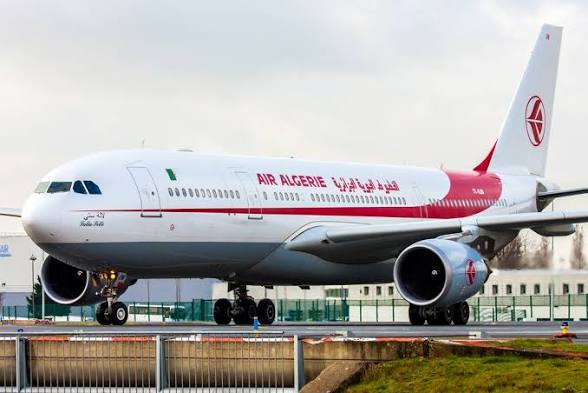
Image: El Mawkie
Takeaway
The resumption of the Algiers-Budapest route and the launch of the Algiers-Kuala Lumpur route signal Air Algérie's intent to capture growing passenger traffic between Africa, Europe, and Asia. Investors should monitor Air Algérie's financial performance and route profitability to assess the airline's growth potential and competitive positioning.
Air Algérie relaunched its Algiers-Budapest route, via Vienna, on Wednesday, April 1, 2026, with an inaugural flight from Houari Boumediene International Airport. The airline also launched a new direct route connecting Algiers to Kuala Lumpur, Malaysia, which began on March 29, 2026. The Algiers-Budapest route, which had been suspended since 2020 due to the COVID-19 pandemic, will now operate twice weekly, every Wednesday at 10:30 AM. These initiatives are part of Air Algérie's ongoing efforts to expand its network and strengthen air links with various continents.
Air Algérie's expansion comes as Algeria seeks to boost its economic and tourism sectors by improving connectivity with global markets. The resumption of the Algiers-Budapest route, which was interrupted due to the COVID-19 pandemic in 2020, highlights the country's recovery and its ambition to re-establish pre-pandemic travel links. The new route to Kuala Lumpur aims to enhance air connectivity between Algeria and Southeast Asia.
Air Algérie's strategic expansion aligns with broader trends in the aviation industry, where airlines are constantly seeking to optimize their routes and capture new market opportunities. The Algiers-Budapest route, with its stopover in Vienna, offers a convenient option for travelers between Algeria and Central Europe. The direct Algiers-Kuala Lumpur route caters to the growing demand for travel between North Africa and Southeast Asia, potentially facilitating increased trade and tourism flows.
The beneficiaries of these new and relaunched routes include travelers, businesses, and tourism operators in Algeria, Hungary, Austria, and Malaysia. The enhanced connectivity could lead to increased trade and investment between Algeria and these countries. The routes may also benefit Air Algérie by increasing passenger numbers and revenue. Conversely, airlines that compete with Air Algérie on these routes may face increased competition.
Looking ahead, it will be important to monitor passenger numbers and load factors on the new and relaunched routes to assess their long-term viability. Any potential changes in travel restrictions or geopolitical factors could impact the success of these routes. Further expansion of Air Algérie's network could be contingent on the airline's financial performance and its ability to secure necessary approvals and resources.