Air Algérie Cancels Flights to Amman, Dubai, and Doha Amidst Middle East Conflict
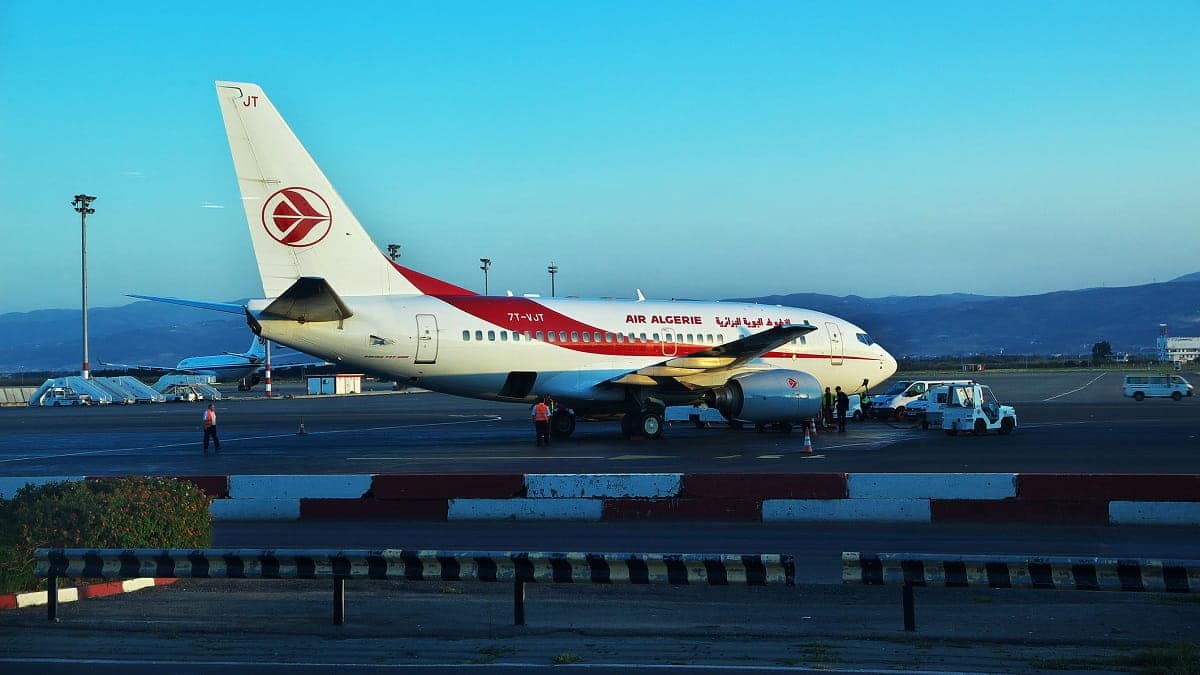
Image: TSA
Takeaway
The Air Algérie flight cancellations highlight the increasing risk premium for airlines operating in politically sensitive regions. Investors should monitor airline stock performance and insurance costs, as these are leading indicators of geopolitical risk. Diversified portfolios with reduced exposure to Middle Eastern markets may offer downside protection during periods of heightened instability.
Air Algérie announced the cancellation of flights scheduled for Saturday, February 28, 2026, to and from Amman, Dubai, and Doha, due to the ongoing events in the Middle East. The decision was made to ensure the highest standards of safety and security for its customers and crews, and in compliance with continuous assessments of the situation. The cancellations come as a joint operation by the United States and Israel launched strikes against Iran, which retaliated with missiles and drones.
The flight cancellations reflect the broader impact of escalating tensions in the Middle East on the aviation sector. Similar disruptions occurred in June 2025 when conflicts led to airspace closures and flight diversions, affecting major hubs like Dubai International Airport and Doha. Airlines rerouted flights over the Caspian Sea or through Egypt and Saudi Arabia to avoid danger zones. These events underscore the vulnerability of air travel to geopolitical instability in the region, with potential ramifications for tourism, business travel, and cargo transport.
The aviation industry is highly sensitive to conflict zones, with airlines often adjusting routes or suspending services based on risk assessments and guidance from regulatory bodies such as the European Union Aviation Safety Agency (EASA). Insurers also play a crucial role, closely monitoring developments and influencing airline decisions. The closure of airspaces and rerouting of flights can add significant time and costs to operations, impacting flight connections and potentially leading to delays for passengers.
The cancellation of Air Algérie flights will primarily affect passengers traveling between Algeria and the Middle East, potentially impacting business travelers, tourists, and individuals with personal connections in the affected cities. The decision may also affect cargo shipments and supply chains that rely on these air routes. Other airlines operating in the region may experience increased demand and potential disruptions as travelers seek alternative options.
Air Algérie will likely continue to monitor the situation in the Middle East and adjust its flight schedules accordingly. Further announcements regarding the resumption of flights to Amman, Dubai, and Doha are expected as the situation stabilizes. Investors and businesses with interests in Algeria and the Middle East should closely monitor developments and assess potential impacts on their operations and supply chains. The situation remains fluid, and further disruptions to air travel in the region are possible.